Catalog tag
Lightning
Apple devices with a Lightning connector.
38 devices
-
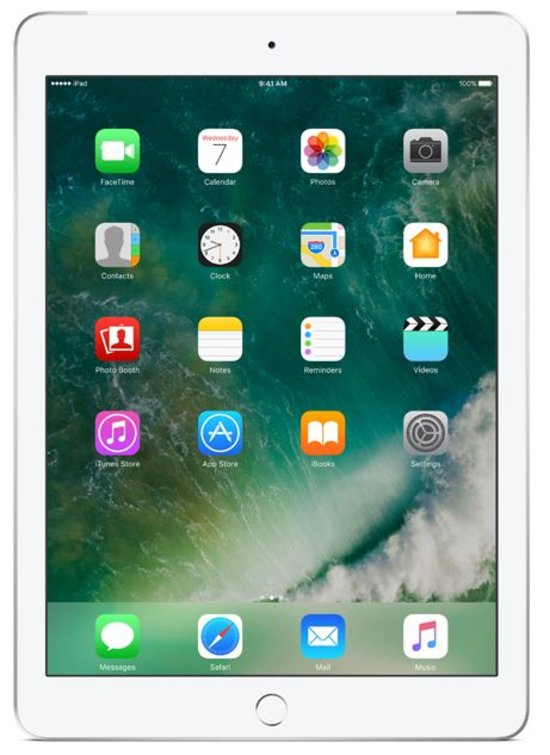 iPad (6th generation, 2018) Apple ipad 6: embedded M10, 32 GB or 128 GB storage. Released in 2018.
 -
 iPad Air 2 Apple iPad Air 2: 9.7" IPS display (2048 x 1536), Apple A8X chip, 64 GB storage, 27.3 Wh battery. Released in 2014.
 -
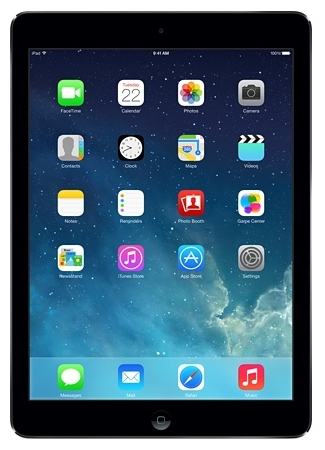 iPad Air (4th generation) The iPad Air , informally referred to as iPad Air 4, is a tablet computer developed and marketed by Apple Inc. It was announced by Apple on September 15, 2020. Pre-orders began on October 16, 2020, and shipping began a week later on October 23, 2020, alongside the iPhone 12 and iPhone 12 Pro. The device closely resembles the design of the 11-inch iPad Pro and has several features that were previously exclusive to the iPad Pro line, such as support for the iPad Magic Keyboard and the second-generation Apple Pencil. It is available in five colors: Space Gray, Silver, Rose Gold, Green, and Sky Blue.
 -
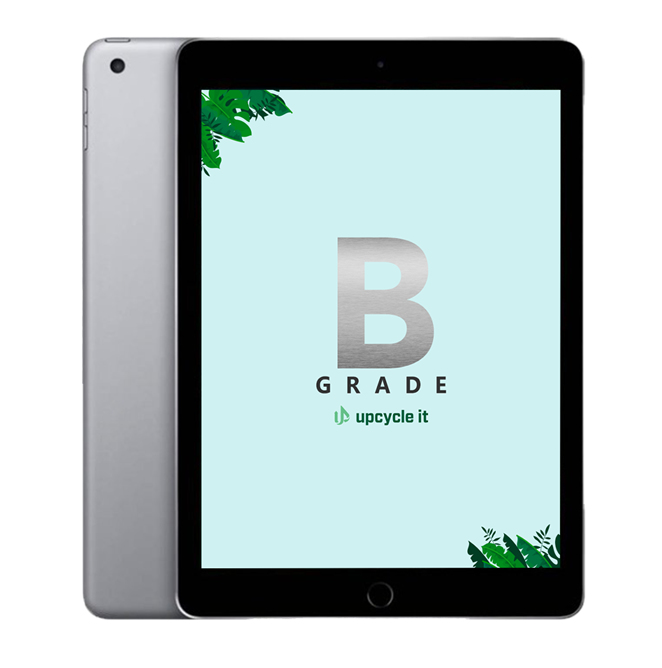 iPad mini 4 Apple iPad mini 4: 7.9" IPS display (2048 x 1536), Apple A8 chip, 128 GB storage. Released in 2015.
 -
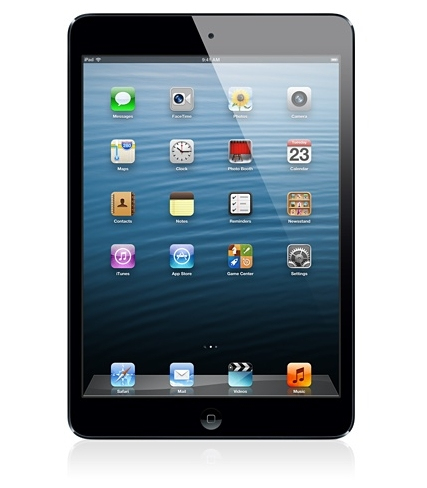 iPad mini (6th generation) The sixth-generation iPad Mini is a tablet computer in the iPad Mini line, developed and marketed by Apple Inc. It was announced on September 14, 2021, and released on September 24, 2021, alongside the ninth-generation iPad, iPhone 13 and iPhone 13 Pro. Its predecessor, the fifth-generation iPad Mini, was discontinued on the same day. It is available in four colors: Space Gray, Starlight, Pink, and Purple.
 -
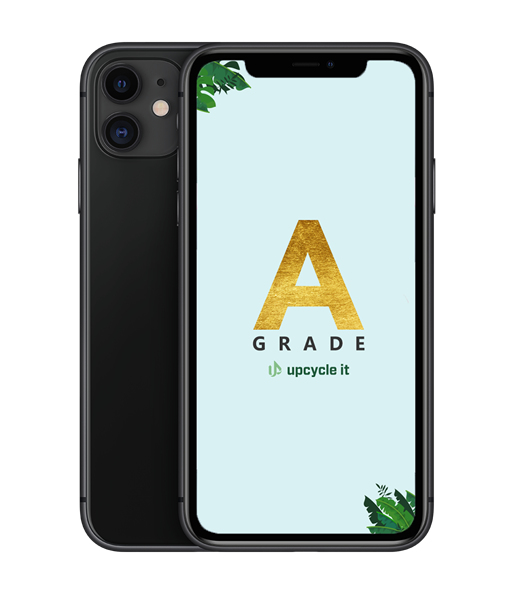 iPhone 11 The iPhone 11 is a smartphone that was developed and marketed by Apple. It is the thirteenth generation of iPhone, succeeding the iPhone XR, and was unveiled on September 10, 2019, alongside the higher-end iPhone 11 Pro at the Steve Jobs Theater in Apple Park, Cupertino, by Apple CEO Tim Cook. Preorders began on September 13, 2019, and the phone was officially released on September 20, 2019, one day after the official public release of iOS 13.
 -
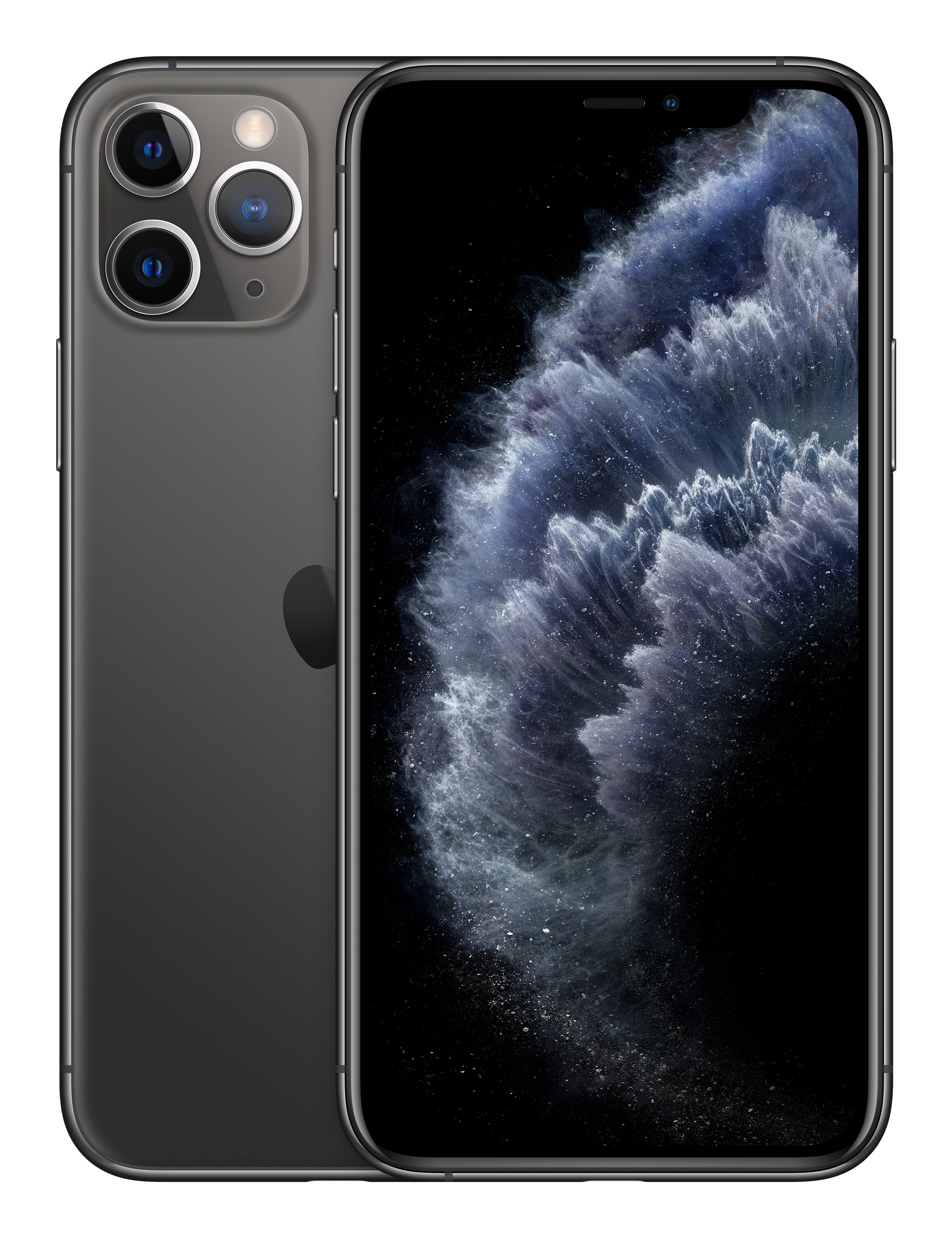 iPhone 11 Pro The iPhone 11 Pro and iPhone 11 Pro Max are smartphones developed and marketed by Apple. Serving as Apple's flagship models of the 13th generation of iPhones, they succeeded the iPhone XS and iPhone XS Max, respectively, upon their release. Apple CEO Tim Cook unveiled the devices alongside the standard model, the iPhone 11, on September 10, 2019, at the Steve Jobs Theater at Apple Park. Pre-orders began on September 13, 2019, and the phones went on sale on September 20. They were discontinued on October 13, 2020, following the announcement of the iPhone 12 and iPhone 12 Pro.
 -
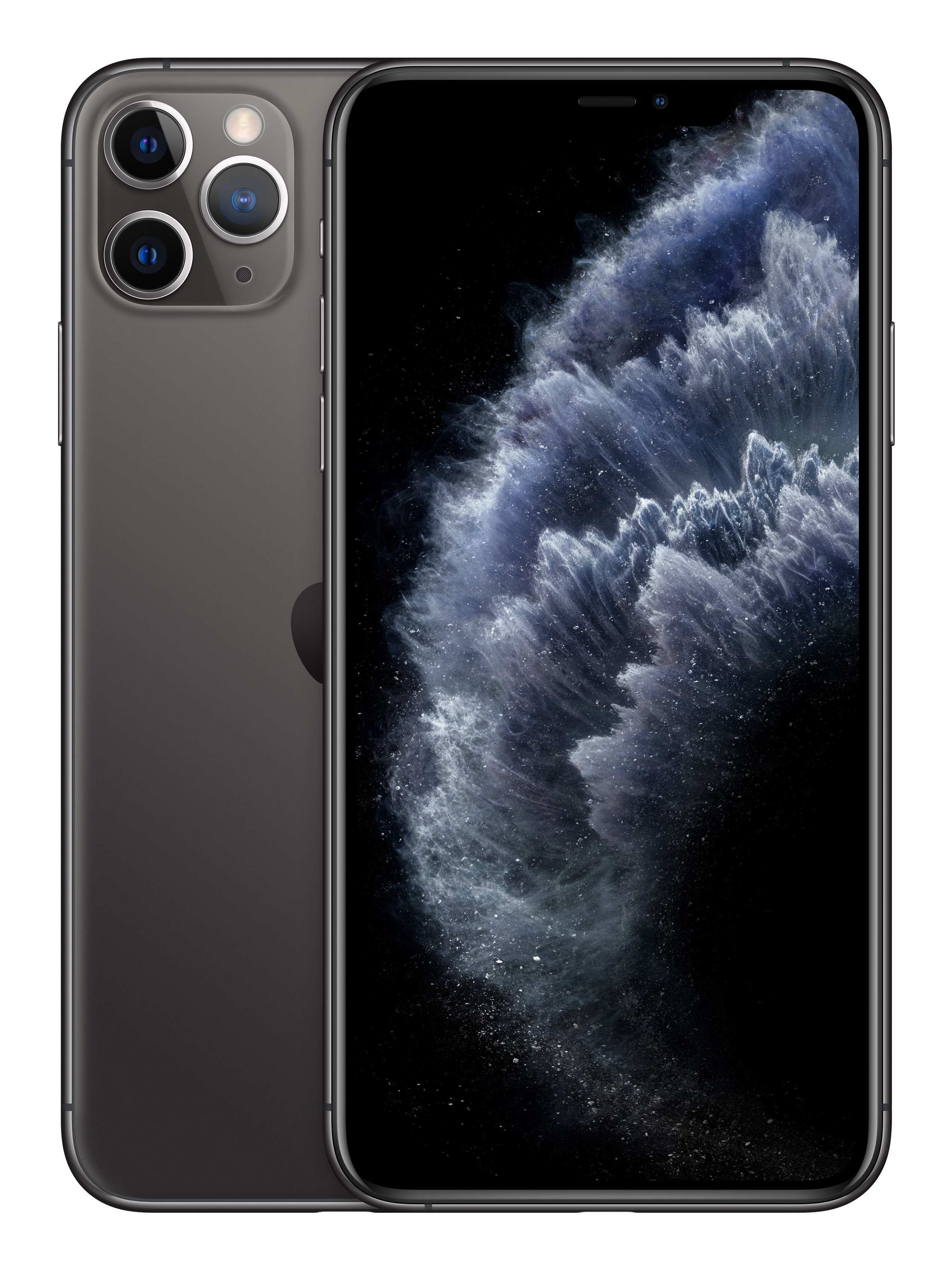 iPhone 11 Pro Max The iPhone 11 Pro and iPhone 11 Pro Max are smartphones developed and marketed by Apple. Serving as Apple's flagship models of the 13th generation of iPhones, they succeeded the iPhone XS and iPhone XS Max, respectively, upon their release. Apple CEO Tim Cook unveiled the devices alongside the standard model, the iPhone 11, on September 10, 2019, at the Steve Jobs Theater at Apple Park. Pre-orders began on September 13, 2019, and the phones went on sale on September 20. They were discontinued on October 13, 2020, following the announcement of the iPhone 12 and iPhone 12 Pro.
 -
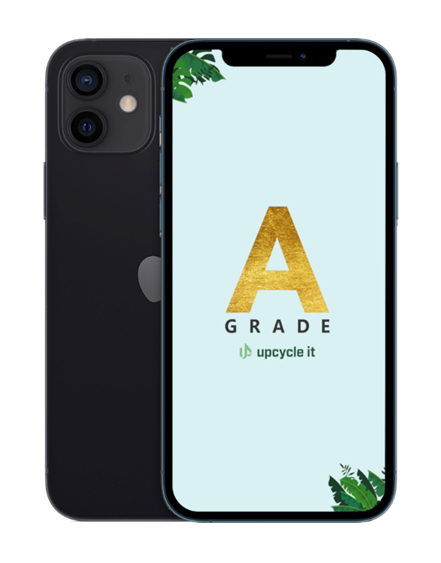 iPhone 12 Apple iPhone 12: 6.1" OLED display (2532 x 1170), Apple A14 chip, 128 GB storage. Released in 2020.
 -
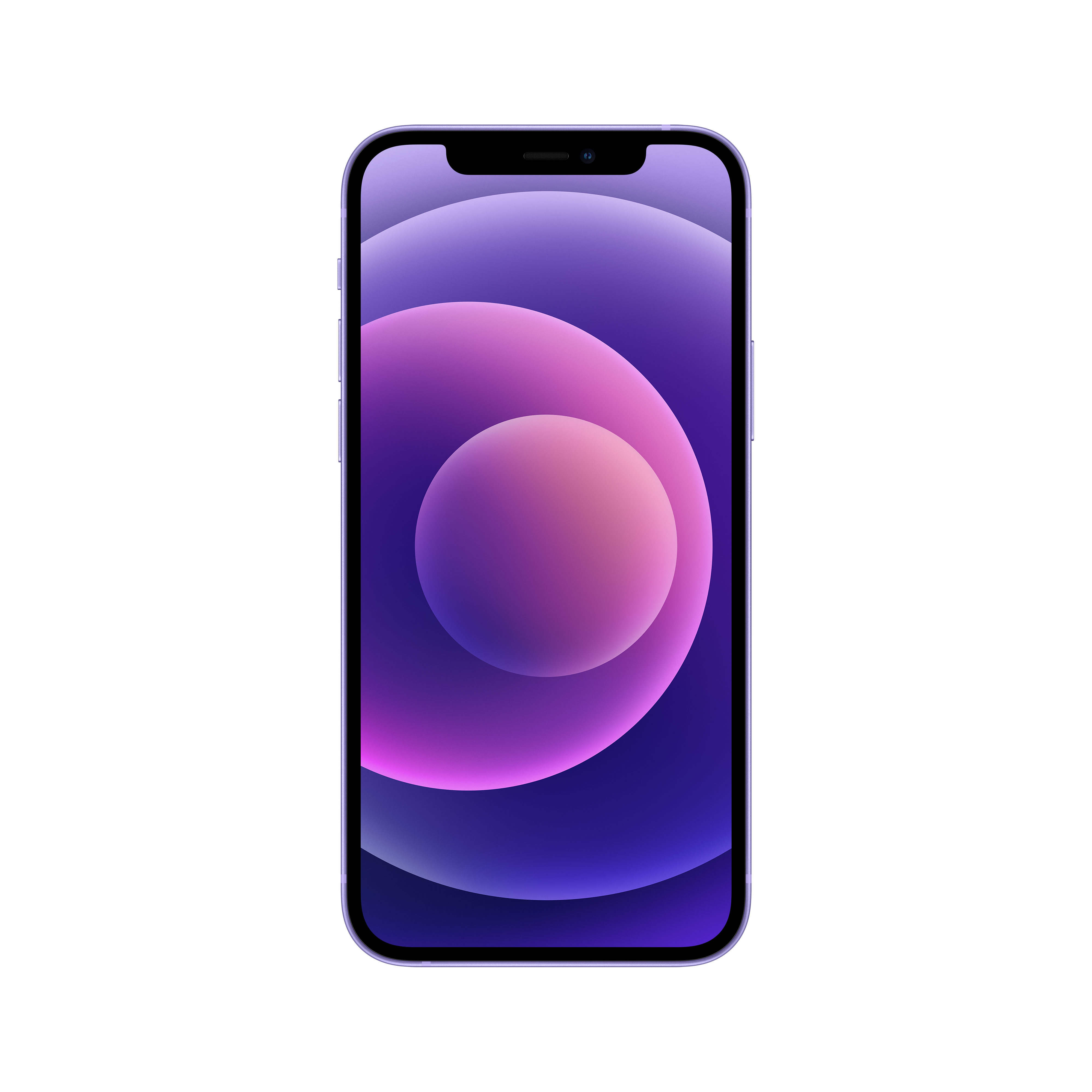 iPhone 12 mini The iPhone 12 and iPhone 12 Mini are smartphones that were developed and marketed by Apple. They are the fourteenth-generation iPhones, succeeding the iPhone 11. They were unveiled at a virtually held Apple Special Event at Apple Park in Cupertino, California, on October 13, 2020, alongside the "premium flagship" iPhone 12 Pro and iPhone 12 Pro Max and HomePod Mini. Pre-orders for the iPhone 12 started on October 16, 2020, and the phone was released in most countries on October 23, 2020, alongside the iPhone 12 Pro and fourth-generation iPad Air. Pre-orders for the iPhone 12 Mini began on November 6, 2020, and the phone was released on November 13, 2020, alongside the iPhone 12 Pro Max.
 -
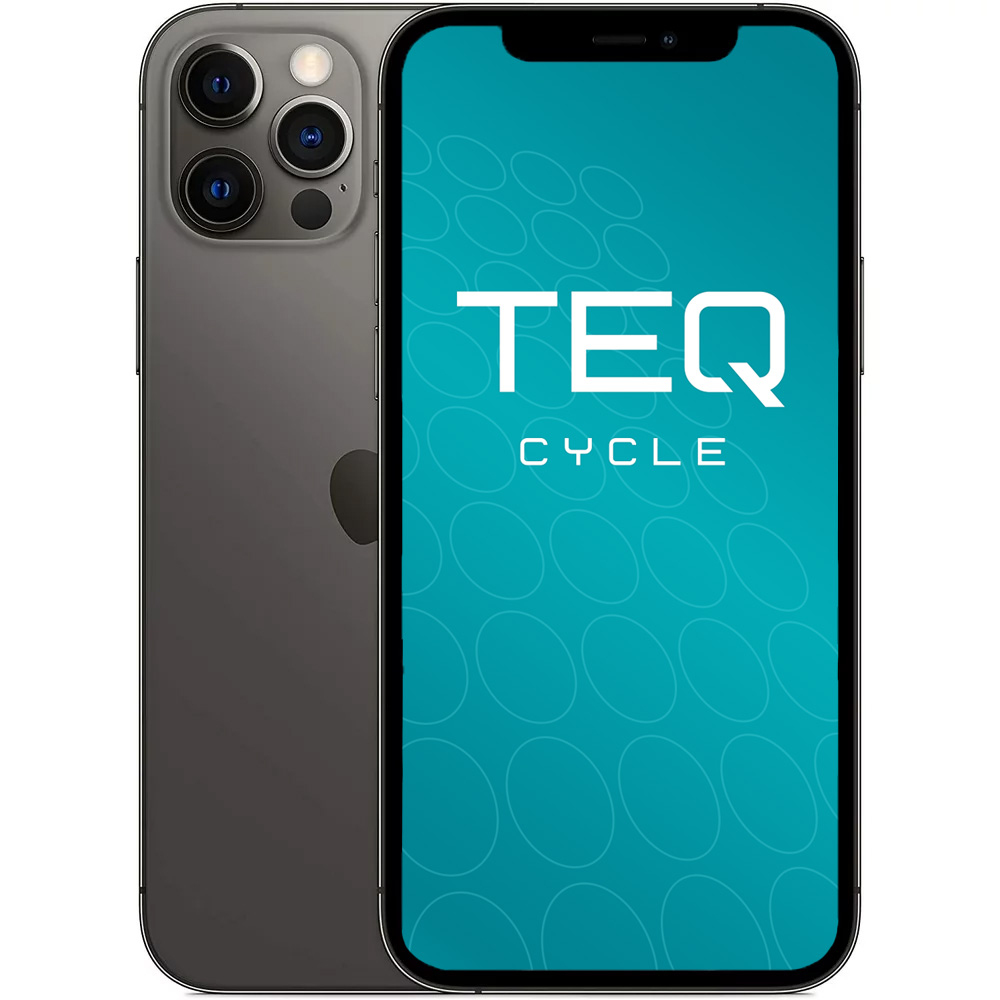 iPhone 12 Pro The iPhone 12 Pro and iPhone 12 Pro Max are smartphones developed and marketed by Apple. They are the flagship smartphones in the fourteenth generation of the iPhone, succeeding the iPhone 11 Pro and iPhone 11 Pro Max, respectively. They were unveiled alongside the iPhone 12 and iPhone 12 Mini at an Apple Special Event at Apple Park in Cupertino, California, on October 13, 2020, with the iPhone 12 Pro being released on October 23, 2020, and the iPhone 12 Pro Max on November 13, 2020. They were discontinued on September 14, 2021, along with the iPhone XR, following the announcement of the iPhone 13 and iPhone 13 Pro.
 -
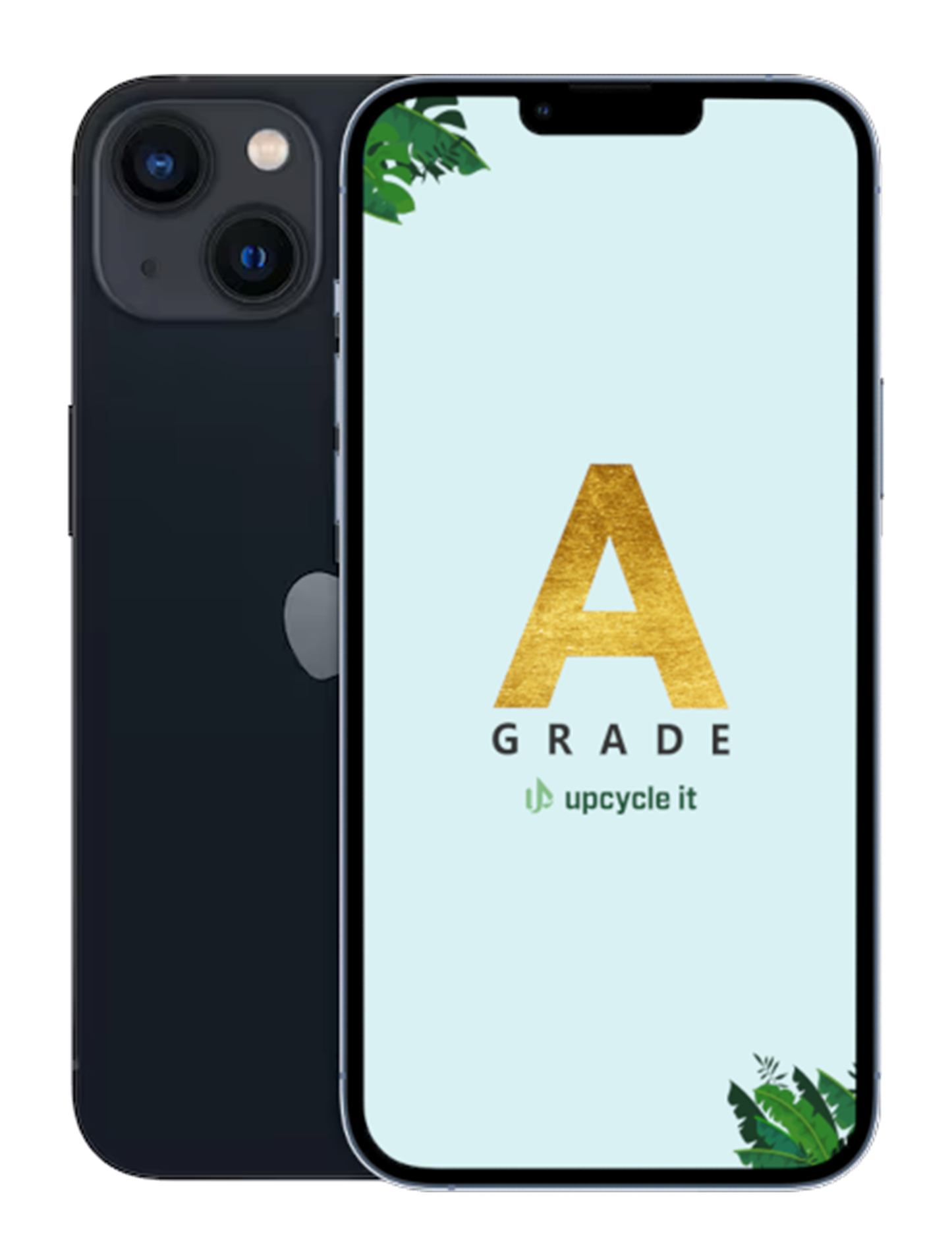 iPhone 13 Apple iPhone 13: 6.1" display (2532 x 1170), Apple A15 chip, 128 GB storage. Released in 2021.
 -
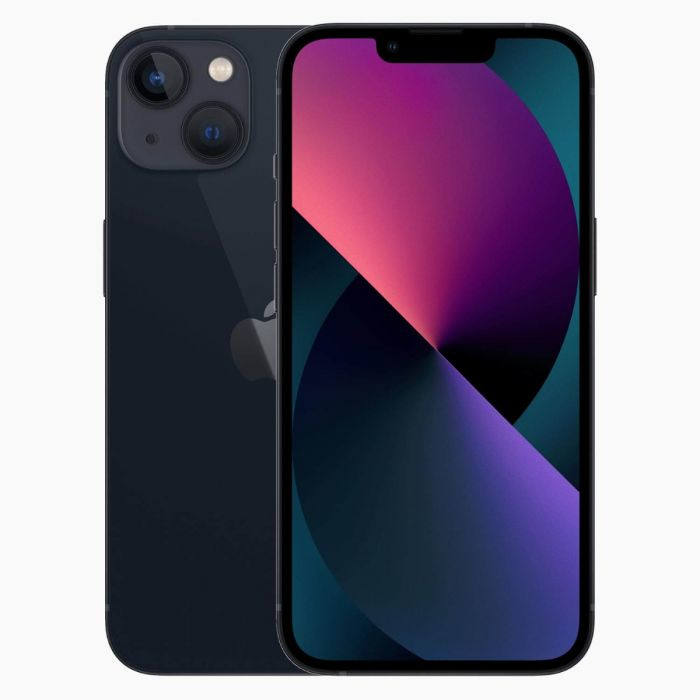 iPhone 13 mini The iPhone 13 and iPhone 13 Mini are smartphones that were developed and marketed by Apple. They are the fifteenth generation of iPhones, succeeding the iPhone 12 and 12 Mini. They were unveiled at an Apple Event in Apple Park in Cupertino, California, on September 14, 2021, alongside the higher-priced iPhone 13 Pro and iPhone 13 Pro Max flagships. Furthermore, they were released on September 24, 2021. Improvements over the iPhone 12 include a 512 GB storage variant, BeiDou positioning support, and HDR video recording at 60 frames per second, doubling the frame rate of its predecessor.
 -
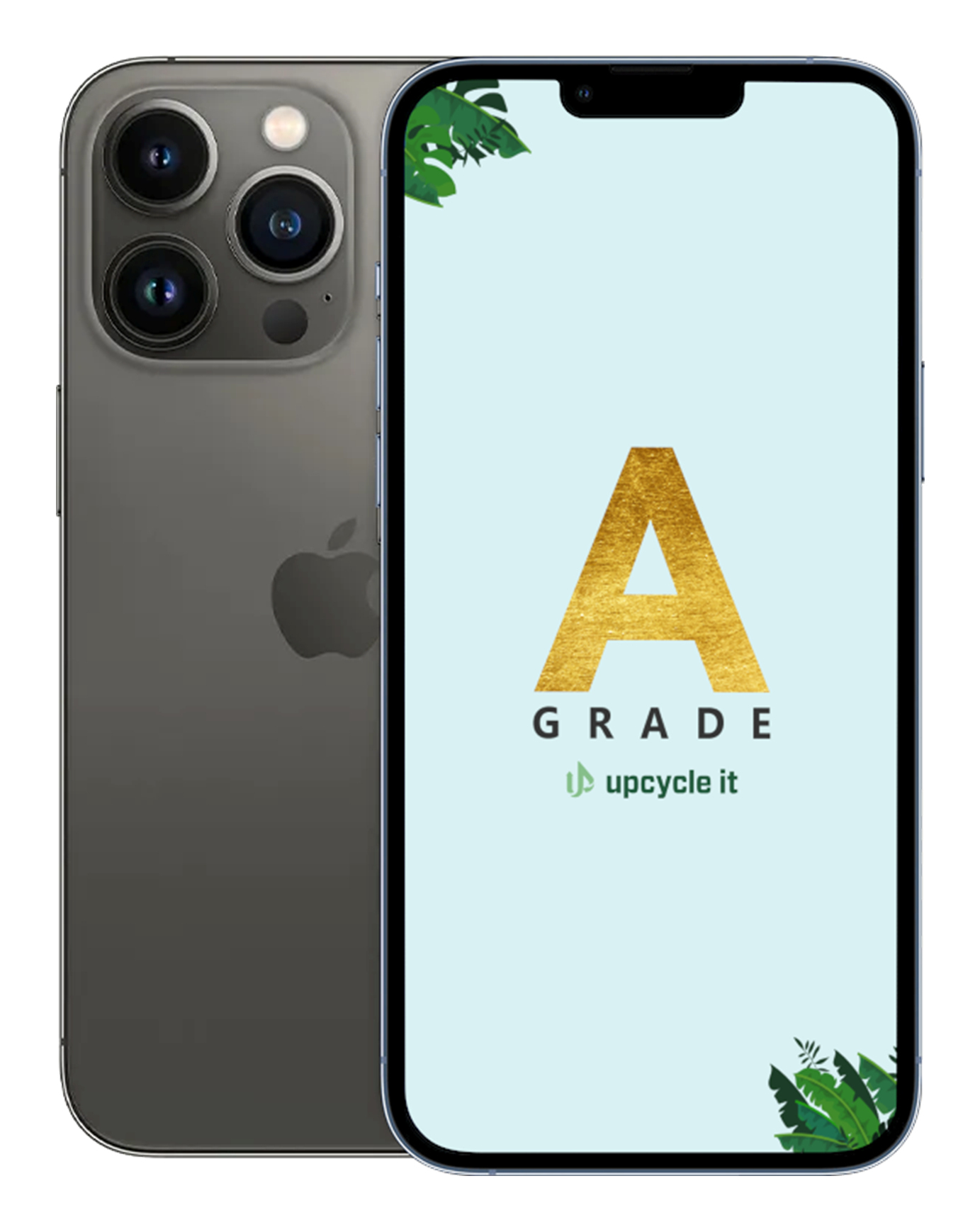 iPhone 13 Pro The iPhone 13 Pro and iPhone 13 Pro Max are smartphones developed and marketed by Apple. They were the flagship smartphones in the fifteenth generation of the iPhone, succeeding the iPhone 12 Pro and iPhone 12 Pro Max respectively. The devices were unveiled alongside the iPhone 13 and iPhone 13 Mini at an Apple Special Event at Apple Park in Cupertino, California, on September 14, 2021, and became available ten days later, on September 24. They were discontinued on September 7, 2022, as well as the iPhone 11 and iPhone 12 mini, following the announcement of the iPhone 14 and iPhone 14 Pro.
 -
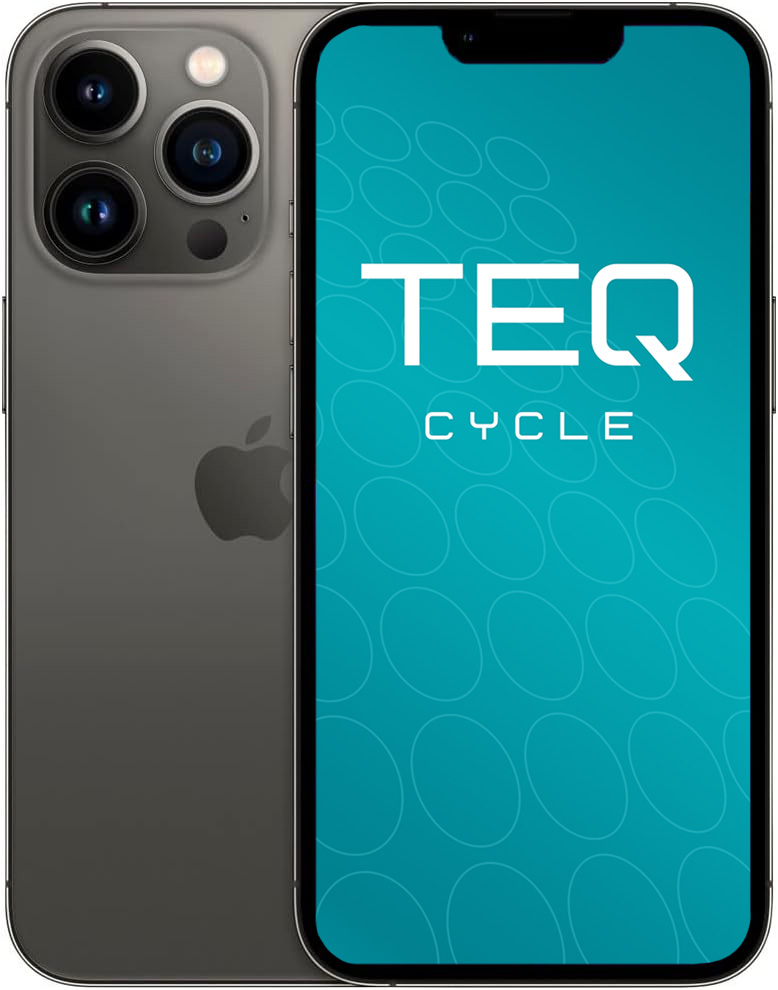 iPhone 13 Pro Max The iPhone 13 Pro and iPhone 13 Pro Max are smartphones developed and marketed by Apple. They were the flagship smartphones in the fifteenth generation of the iPhone, succeeding the iPhone 12 Pro and iPhone 12 Pro Max respectively. The devices were unveiled alongside the iPhone 13 and iPhone 13 Mini at an Apple Special Event at Apple Park in Cupertino, California, on September 14, 2021, and became available ten days later, on September 24. They were discontinued on September 7, 2022, as well as the iPhone 11 and iPhone 12 mini, following the announcement of the iPhone 14 and iPhone 14 Pro.
 -
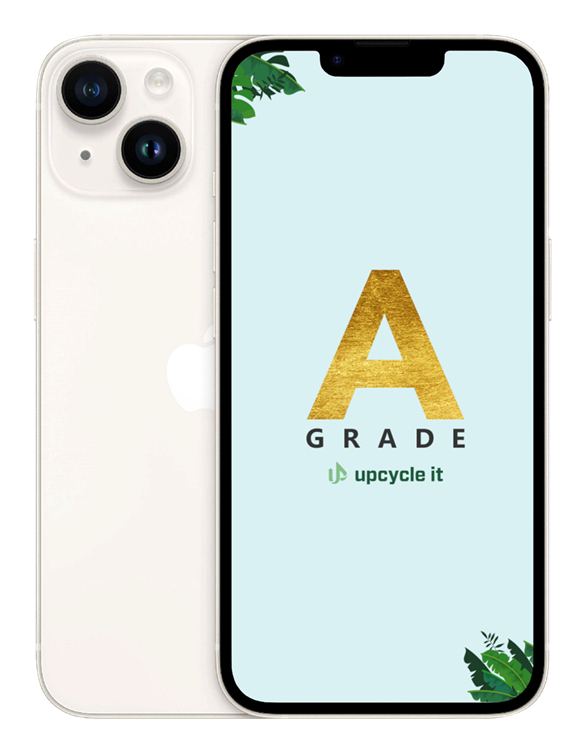 iPhone 14 Apple iPhone 14: 6.1" display (2532 x 1170), Apple A15 chip, 128 GB storage. Released in 2022.
 -
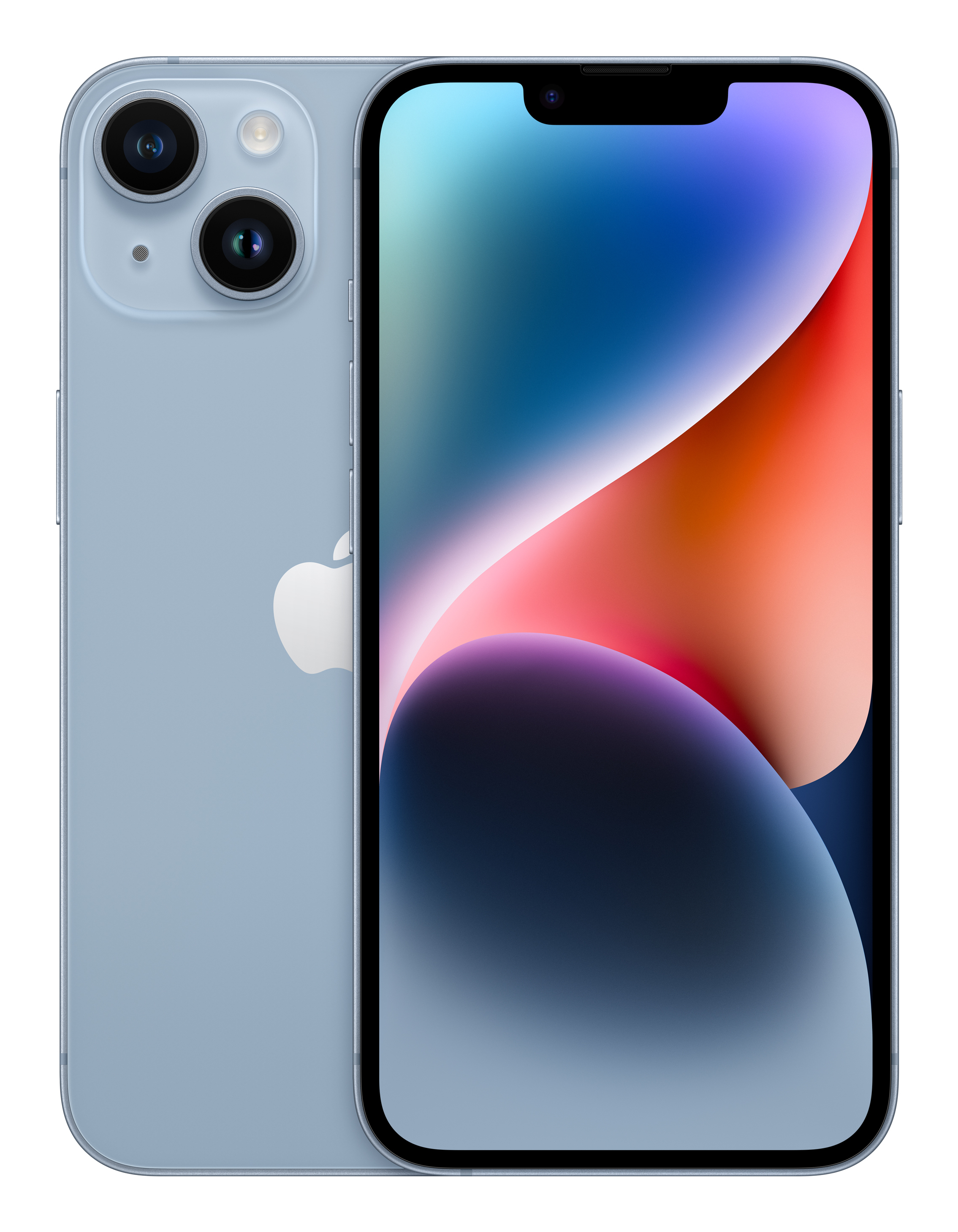 iPhone 14 Plus The iPhone 14 and iPhone 14 Plus are smartphones that were developed and marketed by Apple. They are the sixteenth-generation iPhones, succeeding the iPhone 13 and iPhone 13 Mini, and were announced during Apple Event, Apple Park in Cupertino, California, on September 7, 2022, alongside the higher-priced iPhone 14 Pro and iPhone 14 Pro Max flagships. The iPhone 14 and iPhone 14 Plus feature a 6.1-inch (15 cm) and 6.7-inch (17 cm) display, improvements to the rear-facing camera, and satellite connectivity for contacting emergency services. The iPhone 14 was made available on September 16, 2022, and iPhone 14 Plus was made available on October 7, 2022.
 -
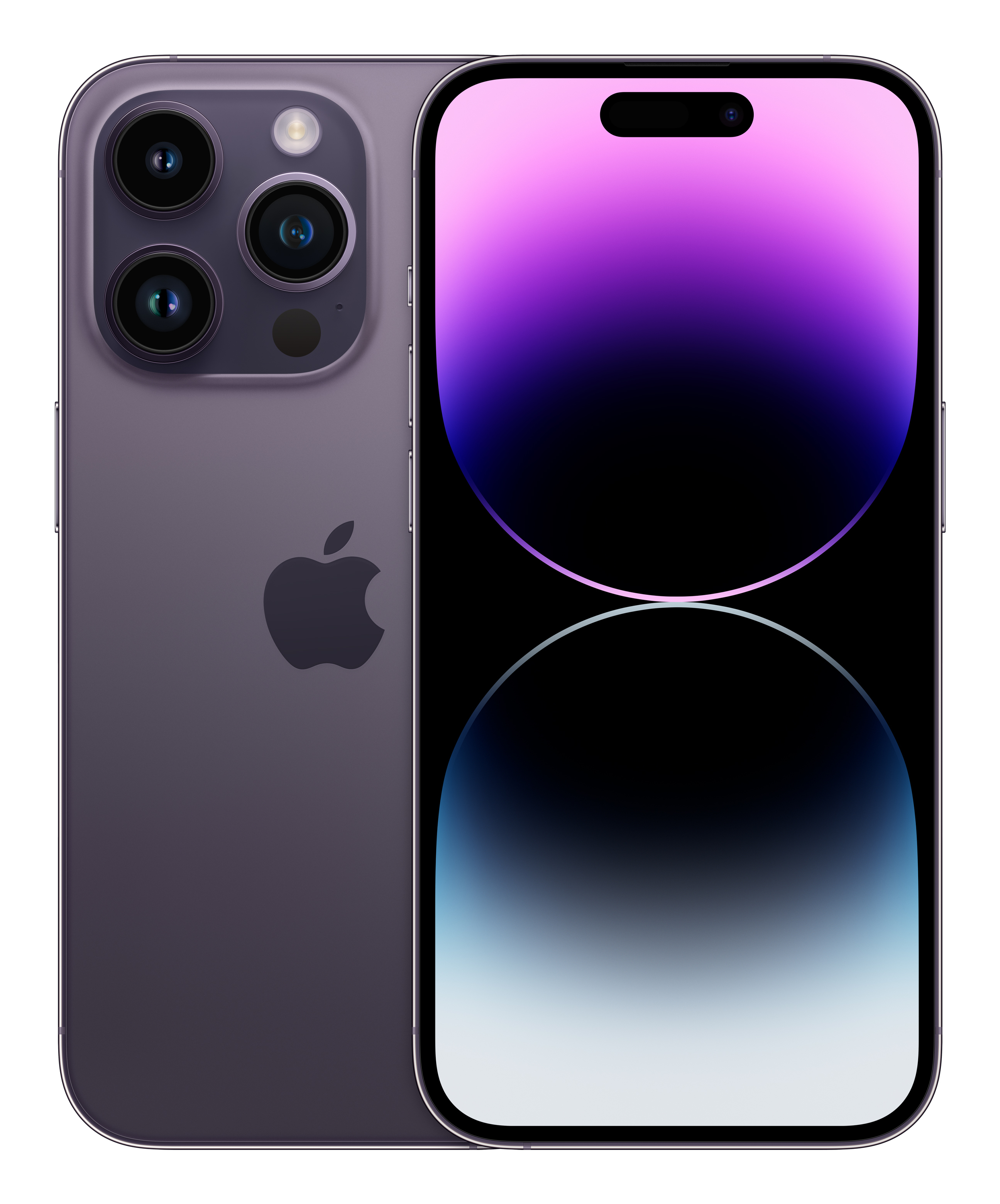 iPhone 14 Pro The iPhone 14 Pro and iPhone 14 Pro Max are smartphones that were developed and marketed by Apple. They are the sixteenth generation flagship iPhones, succeeding the iPhone 13 Pro and Pro Max. The devices were unveiled alongside the iPhone 14 and 14 Plus during the Apple Event at Apple Park in Cupertino, California, on September 7, 2022, and were made available on September 16, 2022.
 -
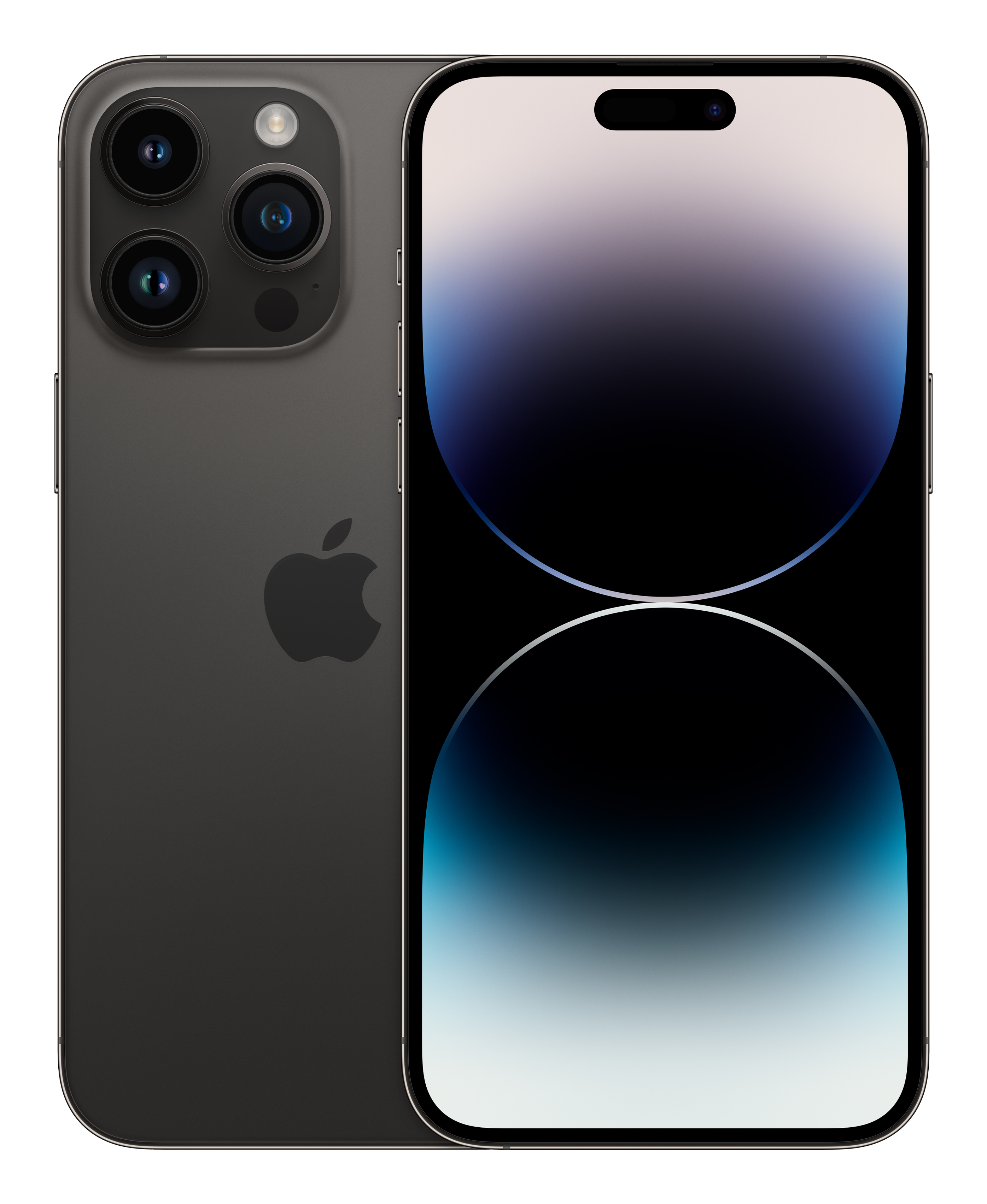 iPhone 14 Pro Max The iPhone 14 Pro and iPhone 14 Pro Max are smartphones that were developed and marketed by Apple. They are the sixteenth generation flagship iPhones, succeeding the iPhone 13 Pro and Pro Max. The devices were unveiled alongside the iPhone 14 and 14 Plus during the Apple Event at Apple Park in Cupertino, California, on September 7, 2022, and were made available on September 16, 2022.
 -
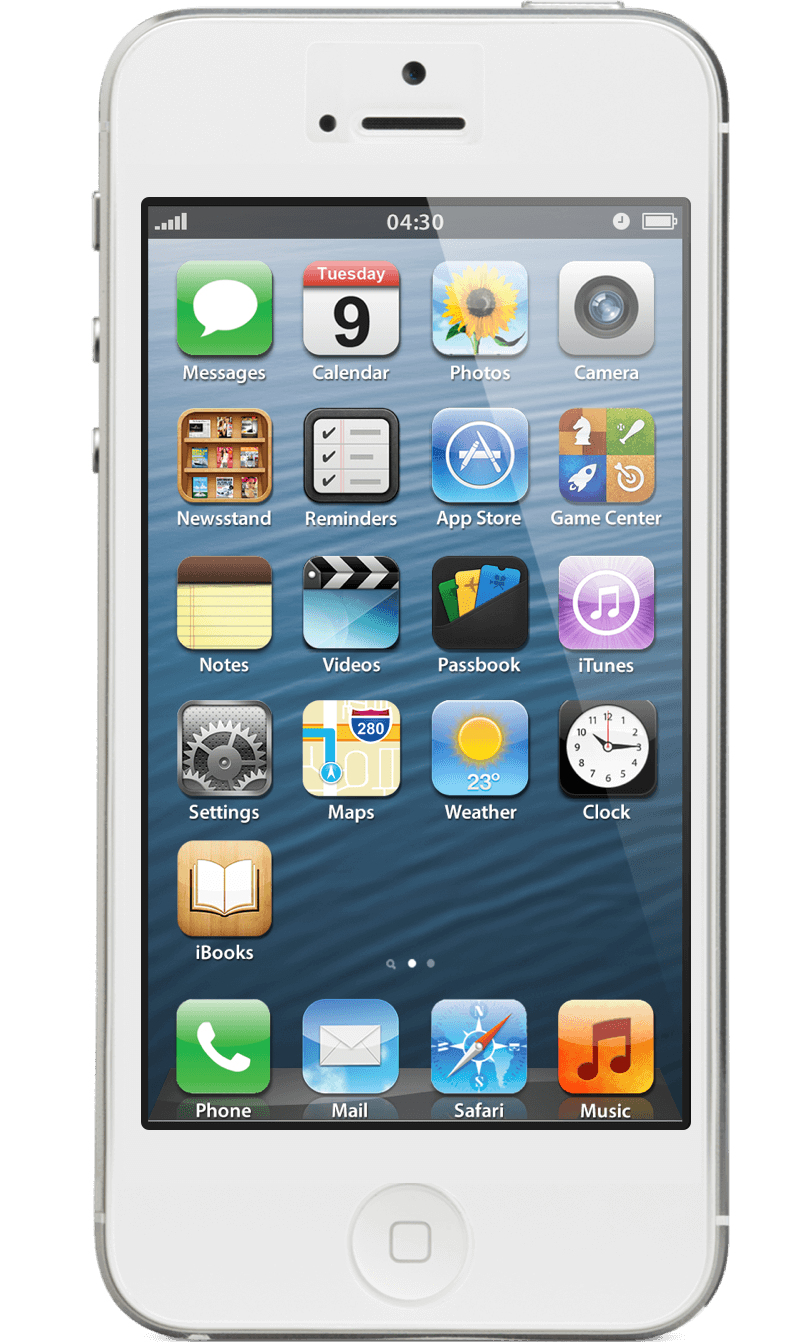 iPhone 5 The iPhone 5 is a smartphone that was developed and marketed by Apple. It is the 6th generation iPhone, succeeding the iPhone 4s, and preceding both the iPhone 5s and iPhone 5c. It was formally unveiled as part of a press event on September 12, 2012, and subsequently released on September 21, 2012. The iPhone 5 was the first iPhone to be announced in September, and setting a trend for subsequent iPhone releases, the first iPhone to be completely developed under the guidance of Tim Cook and the last iPhone to be overseen by Steve Jobs.
 -
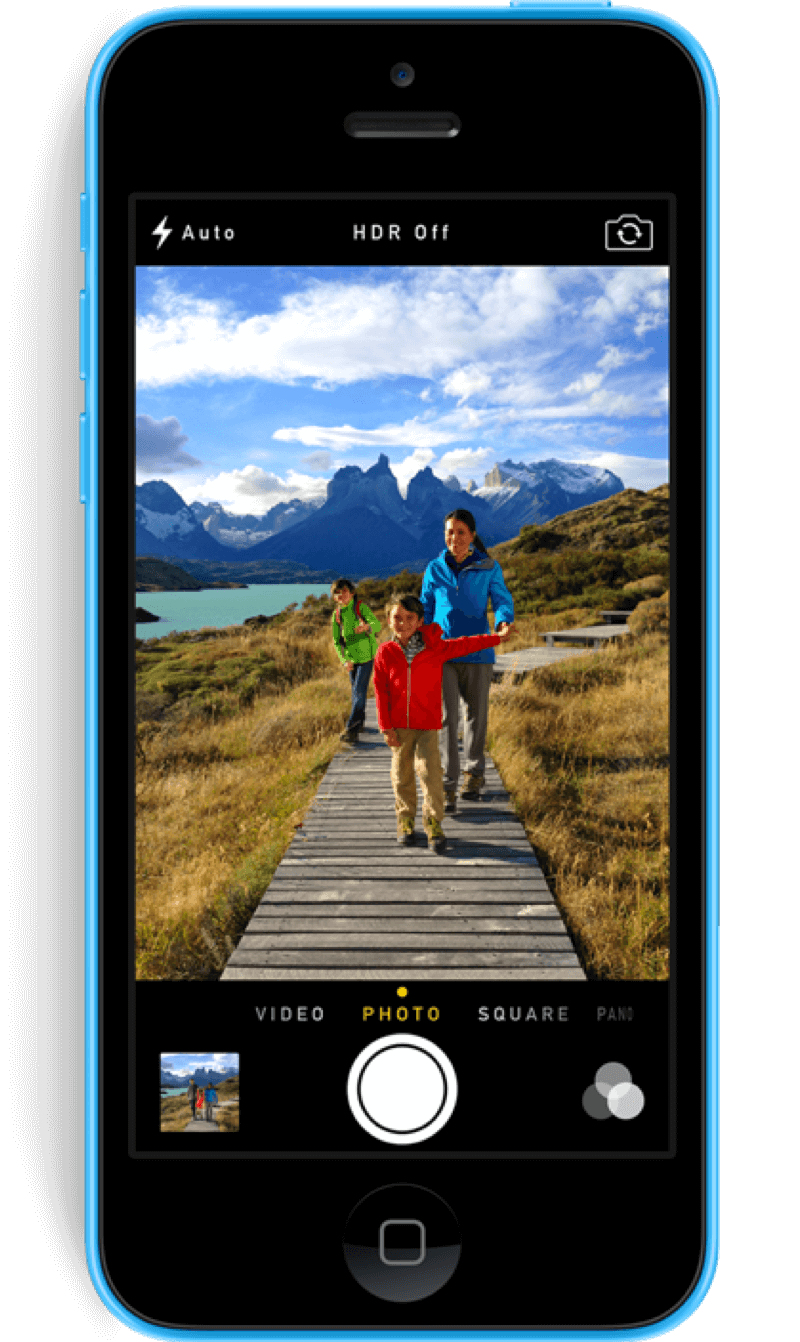 iPhone 5c The iPhone 5c is a smartphone that was developed and marketed by Apple. It is part of the sixth generation of the iPhone. The device was unveiled on September 10, 2013, and released on September 20, 2013, along with its higher-end counterpart, the iPhone 5s. The "c" in the iPhone 5c's name stands for "color".
 -
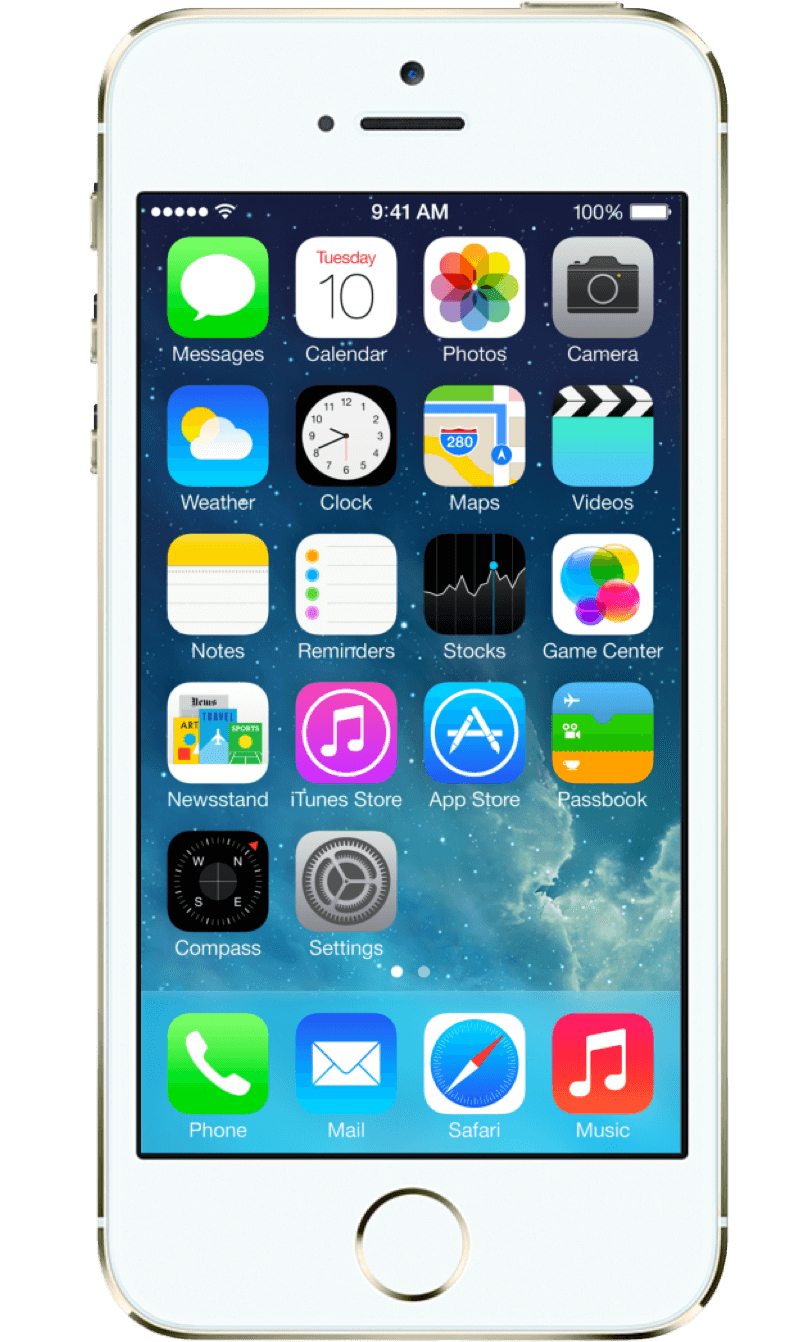 iPhone 5s The iPhone 5s is a smartphone that was developed and marketed by Apple. It is the seventh generation of the iPhone, succeeding the iPhone 5, and was unveiled in September 2013 alongside the iPhone 5c. It was the last iPhone to have Steve Jobs involved in its design.
 -
 iPhone 6 The iPhone 6 and iPhone 6 Plus are smartphones that were developed and marketed by Apple. They are the eighth generation of the iPhone, succeeding the iPhone 5, iPhone 5c and iPhone 5s, and were released on September 19, 2014. The iPhone 6 and 6 Plus respectively include larger 4.7-inch and 5.5-inch displays, a faster processor, upgraded cameras, improved LTE and Wi-Fi connectivity and support for a near-field communications-based mobile payments offering. The iPhone 6 and iPhone 6 Plus were replaced as the flagship devices of the iPhone series by the iPhone 6s and iPhone 6s Plus on September 9, 2015.
 - iPhone 6 Plus The iPhone 6 and iPhone 6 Plus are smartphones that were developed and marketed by Apple. They are the eighth generation of the iPhone, succeeding the iPhone 5, iPhone 5c and iPhone 5s, and were released on September 19, 2014. The iPhone 6 and 6 Plus respectively include larger 4.7-inch and 5.5-inch displays, a faster processor, upgraded cameras, improved LTE and Wi-Fi connectivity and support for a near-field communications-based mobile payments offering. The iPhone 6 and iPhone 6 Plus were replaced as the flagship devices of the iPhone series by the iPhone 6s and iPhone 6s Plus on September 9, 2015.